
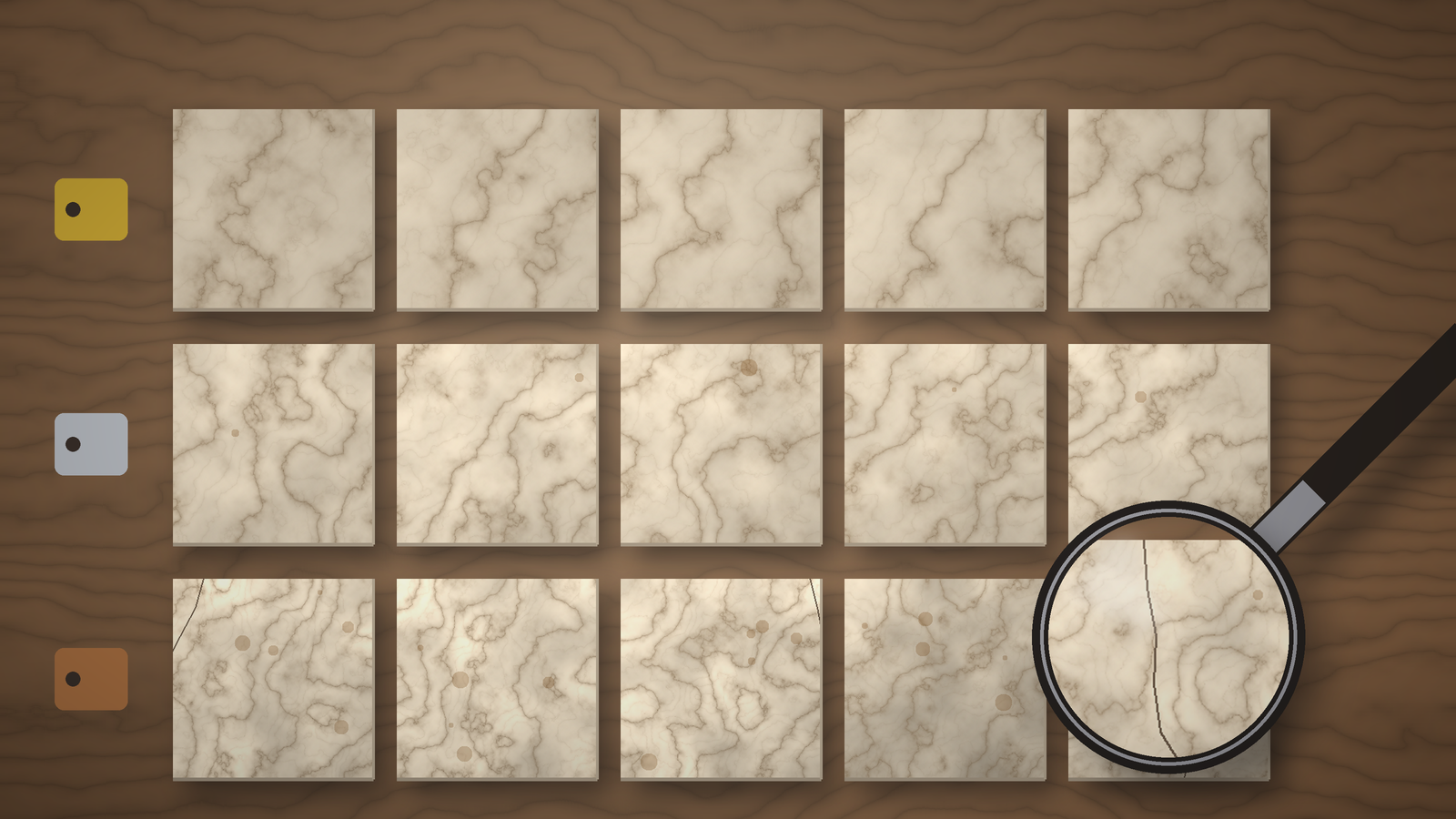
How to choose the right stone grade when buying
The highest grade is not always the most economical choice for a project.
A project with a large area can often get an excellent result from a controlled grade that is not the very top one.
What is a stone grade?
A grade (called sort in the Iranian stone market) groups the pieces of one product by their visual and quality characteristics.
What changes the grade?
- Colour
- Veining
- Grain size
- Natural spots
- Soundness
- Consistency
- Processing quality
Super grade is not always necessary
For a small feature wall, a very high grade may be worth it.
For a thousand square metres of commercial space, the price difference can become very large.
Define the application first
Feature wall
Appearance and veining matter more.
Large floor
Consistency and durability matter more.
Landscaping
Performance matters more than perfect uniformity.
See real pieces
A single promotional photo is not enough.
Look at several pieces side by side.
Define an acceptable range
Instead of asking for:
completely uniform
state how much variation in:
- colour
- veining
- grain
is acceptable.
Light
Stone looks different under factory light and under the light of the project.
Grade and price
The narrower and more uniform the selection, the higher the price usually is.
Grading veined stone
In some stones, variation in veining is part of the product's beauty.
The goal is not always to remove variety but to control the mix.
Grading granite
Grain size and background colour matter most.
Grading travertine
Colour, veining and porosity can all be criteria.
Grading marble
Veining, background colour and soundness matter a great deal.
Lay out before rejecting a shipment
Sometimes pieces that look different give an excellent result when laid out correctly.
Mixing grades
In some projects you can use:
- the better grade in the main spaces
- a more economical grade in secondary spaces
This keeps the budget under control.
Top-up shipments
If a second order is likely, plan for grade differences from the start.
Questions to ask the supplier
- How is this grade defined?
- Do you have photos of several pieces?
- How consistent is the whole shipment?
- Is a top-up shipment available?
- Which sample is the reference?
Summary
The best grade is the one that matches the application, the visible surface and the project budget.
To compare offers, see our guide on how to compare stone prices.
Frequently asked questions
Is super grade better?
It is usually more selected in appearance, but it is not always the most economical choice.
How do I check the grade?
Look at several pieces, or the whole shipment, side by side.
Does the grade affect the price?
Yes.