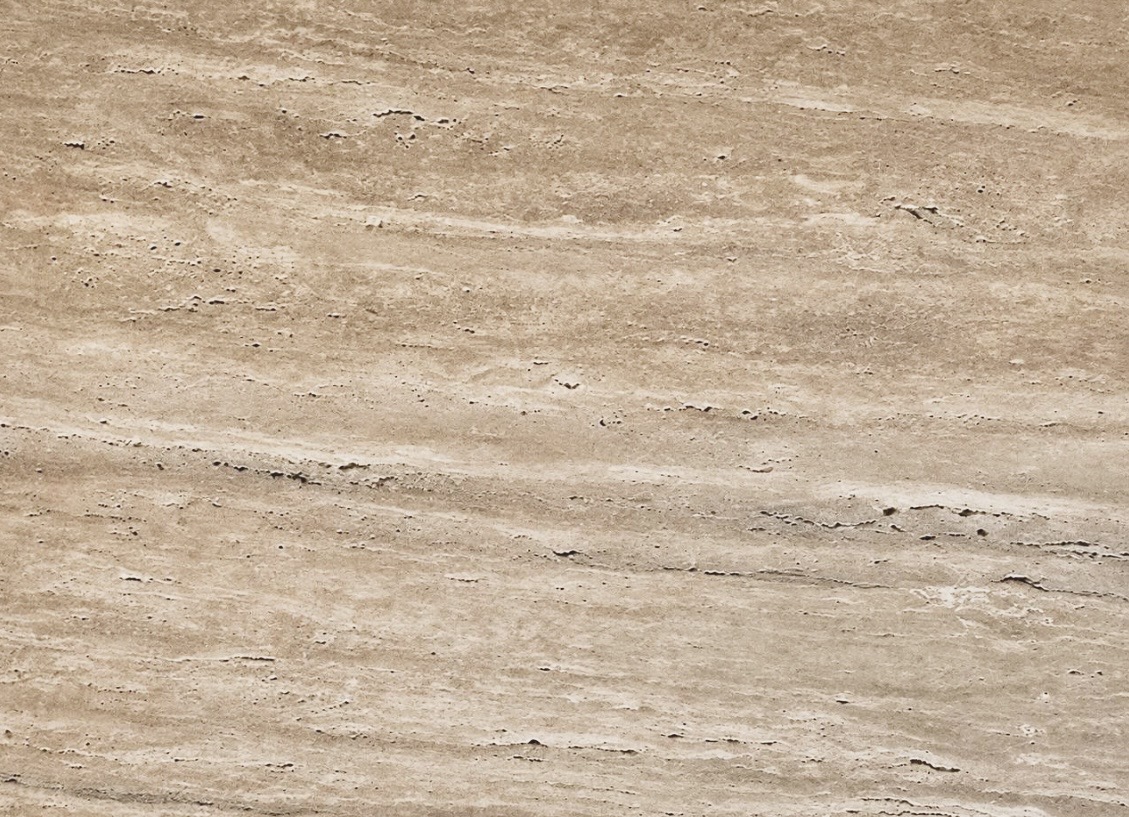
Travertine Coping with Drip Groove
Request price and supply status
Share the required specifications and quantity so current supply can be checked.
021-828041390912119383509121193935More information
Description
Coping Stone with Drip Groove is an important architectural detail used to protect the top of walls, parapets, garden walls, boundary walls, terraces, roofs and other exterior structures exposed to rain and snow.
Unlike many stone products that are associated with one specific stone type, wall coping can be manufactured from different types of natural stone, including travertine, granite and other suitable building stones. The appropriate material should be selected according to its strength, weather exposure, water absorption, freeze-thaw conditions, dimensions, thickness and installation method.
The defining feature of this product is the drip groove, which helps interrupt the path of water underneath the coping and directs rainwater and melted snow away from the wall face.
What Is a Coping Stone with a Drip Groove?
A stone coping is a natural stone element installed on the top of a wall to protect the wall structure from direct exposure to rain, snow and moisture while also providing a clean architectural finish.
The Drip Groove, also known as a Drip Edge Groove or Water Drip Groove, is machined into the underside of the stone.
Typically, the groove is positioned along the underside near the two longitudinal edges of the coping. A groove with an approximate 10 mm depth can create a break in the path of water moving underneath the stone.
When rainwater or melted snow reaches the edge of the coping, the groove helps the water detach from the underside instead of continuing toward the wall face.
In simple terms: The drip groove creates a controlled break in the water path, helping prevent rainwater from running back onto the wall.
Recommended Thickness for Stone Wall Coping
One of the most important considerations when manufacturing natural stone coping is the thickness of the stone.
For wall coping applications, a typical thickness range is approximately 25–50 mm.
The final thickness should be determined according to:
- Stone dimensions
- Projection beyond the wall
- Stone weight
- Stone type
- Climate
- Rain and snow exposure
- Installation method
- Unsupported length
- Potential impact or loading
For larger pieces or projects exposed to severe weather conditions, selecting an adequately thick and structurally sound stone becomes especially important.
Drip Groove | Water Drip Detail
The most important functional feature of this product is the Drip Groove.
The groove is created on the underside of the stone, generally close to the edges.
Its purpose is to create a break in the water path.
As rainwater moves across the top surface of the coping, the drip groove helps prevent water from following the underside of the stone and reaching the wall face.
A properly designed drip groove can help reduce:
- Water streaking on walls
- Rainwater staining
- Persistent moisture near the top of the wall
- Water penetration into vulnerable wall areas
- Long-term moisture-related deterioration
However, the performance of a coping system does not depend on the groove alone. Adequate top-surface slope, sufficient overhang, properly sealed joints and correct installation are also important parts of effective water management.
Why Is a Non-Polished Finish Often Preferred?
For stone wall coping with a drip groove, a highly polished surface is not necessarily the preferred option.
Depending on the stone and project, finishes such as:
- Unfilled
- Honed
- Leather
- Flamed, where suitable for the stone
- Bush Hammered / Hammered
- Rock Face
- Other natural or textured finishes
can be considered.
A matte or textured finish often provides a more natural architectural appearance and can be particularly appropriate for outdoor walls, landscaping and villa projects.
The final finish should always be selected according to the stone type, climate, installation conditions and design requirements.
Choosing the Right Stone for Wall Coping
Because wall coping is directly exposed to rain, snow, sunlight and temperature fluctuations, selecting the right stone is an important part of the design.
Suitable natural stones may include:
Travertine
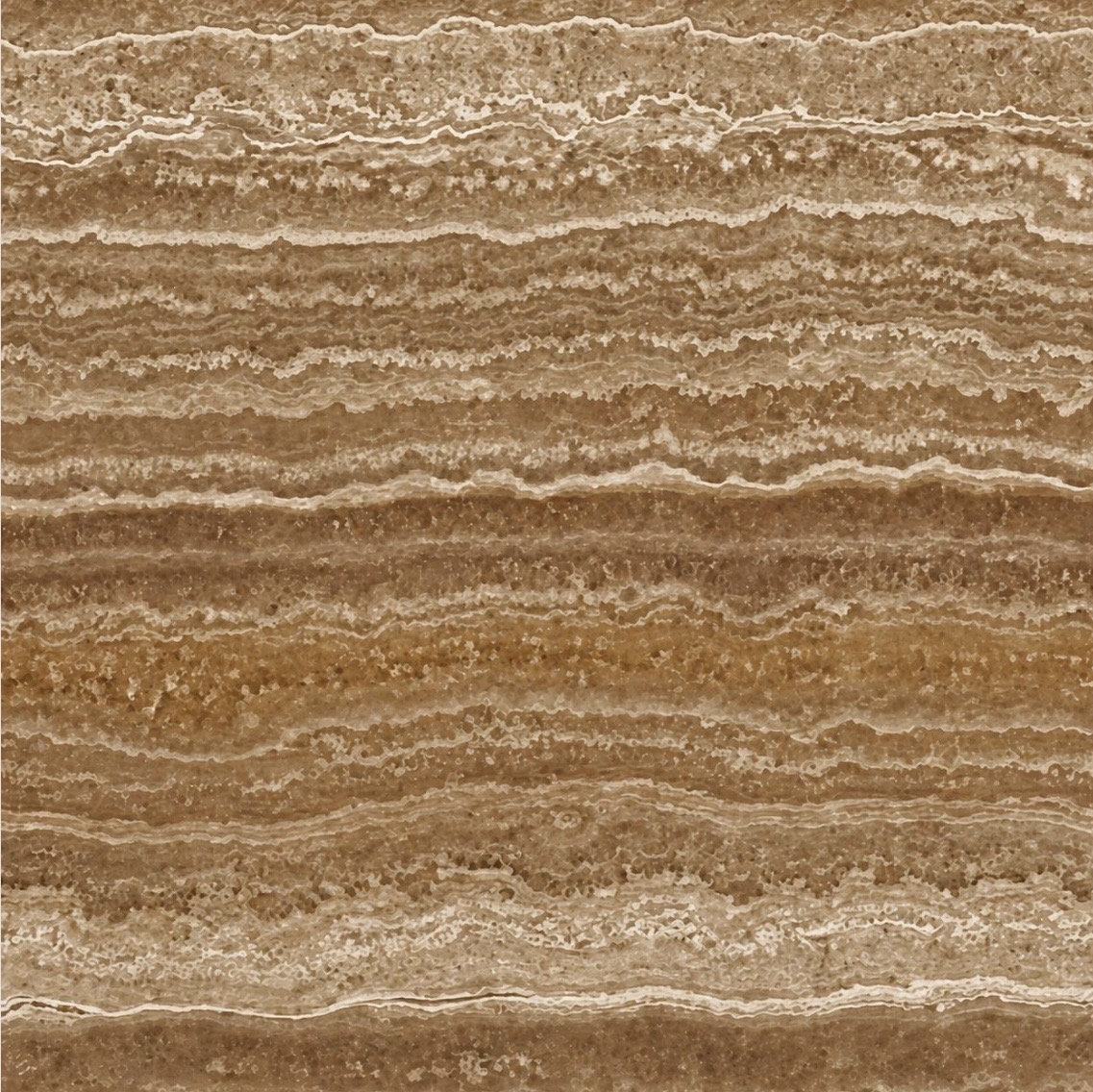
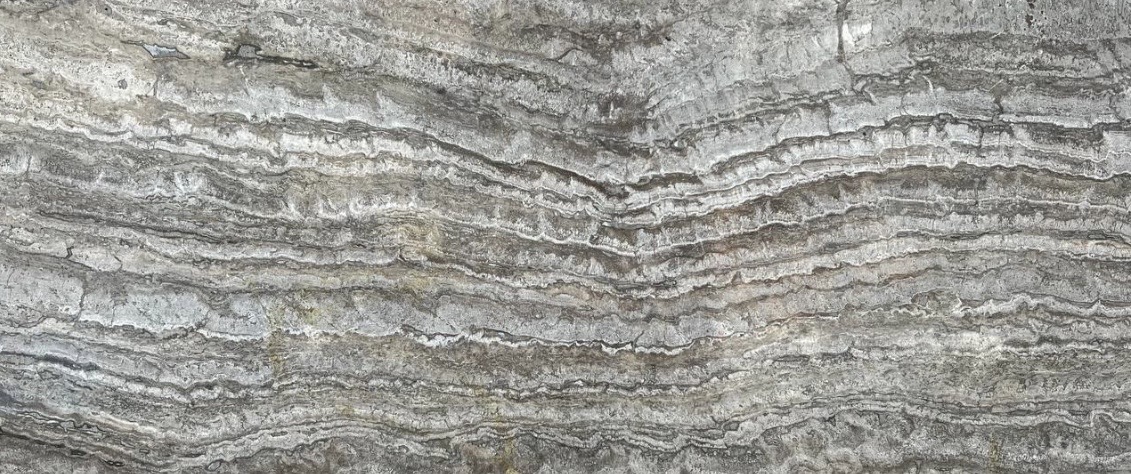
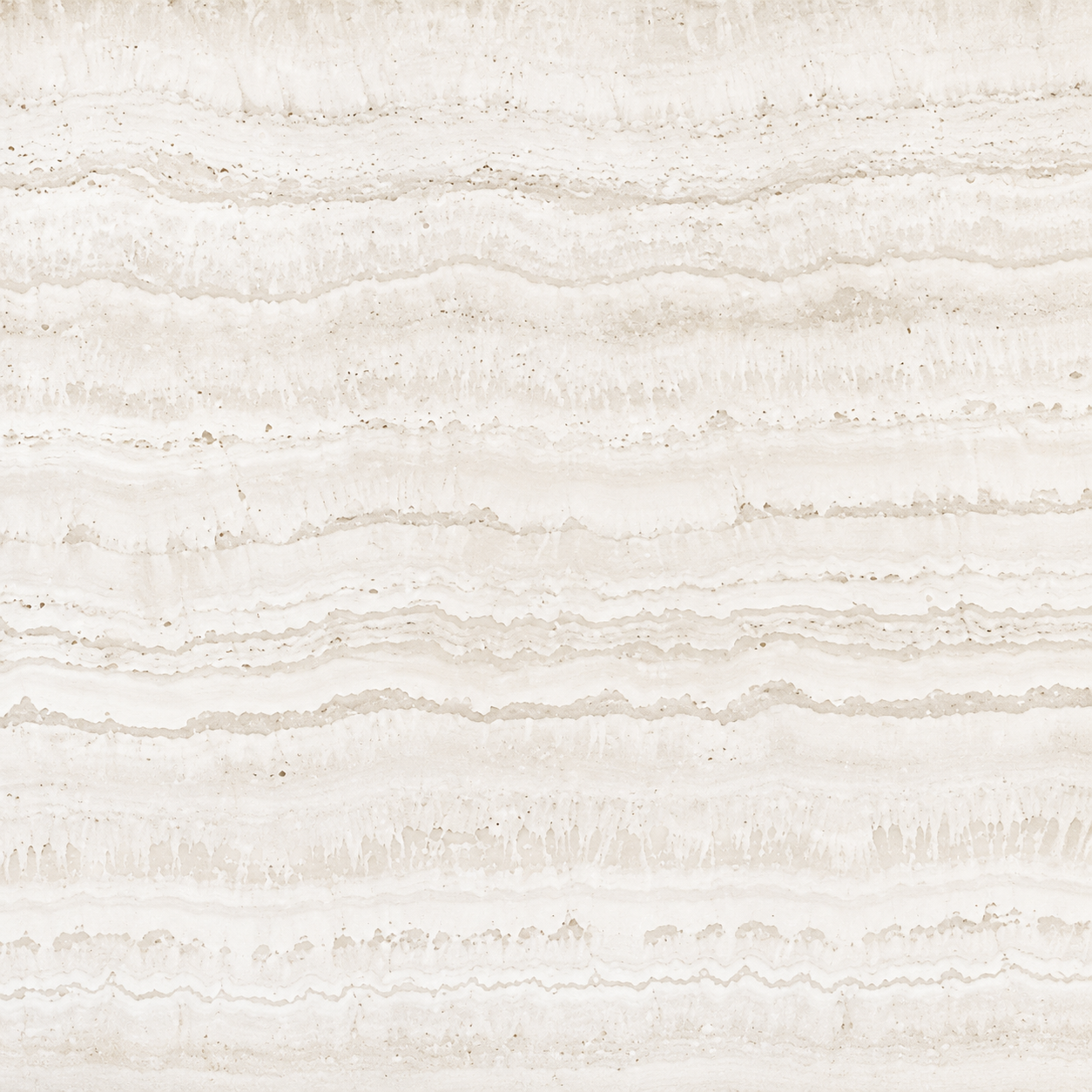
Travertine coping is widely used for building facades, villas, garden walls, landscaping and outdoor architectural projects. It can be produced with different surface finishes and customized with a drip groove.
Granite
Granite coping can be an excellent option where a highly durable and dense natural stone is required, particularly for demanding exterior applications.
Other Natural Stones
Depending on the stone’s physical properties, climate and intended application, other natural stones can also be manufactured as Wall Coping.
For exterior applications, properties such as Water Absorption, Bulk Density, Flexural Strength, Compressive Strength and Freeze-Thaw Resistance should be considered when selecting the appropriate stone.
Travertine Coping Applications
Coping Stone with Drip Groove has a wide range of architectural applications, including:
- Garden Wall Coping
- Boundary Wall Coping
- Villa Wall Coping
- Parapet Coping
- Terrace Coping
- Roof Coping
- Pool Wall Coping
- Landscape Wall Coping
- Exterior Building Walls
- Stone Walls
- Residential Projects
- Commercial Projects
- Landscaping
- Outdoor Architectural Structures
For villas and landscape projects, the color and finish of the coping can be selected to coordinate with the building facade, paving, natural stone, wood and other outdoor materials.
Custom Stone Coping with Drip Groove by Sange Hassan
Sange Hassan can supply custom natural stone coping with drip grooves according to the selected stone type, dimensions, thickness, finish and installation requirements of the project.
The coping can be manufactured from travertine, granite and other suitable natural stones, with thicknesses generally ranging from approximately 25 to 50 mm.
The drip groove can be machined into the underside of the stone according to the project’s technical requirements, helping manage the path of rainwater and melted snow.
For custom projects, the following details should be defined before production: stone type, coping dimensions, thickness, overhang, drip groove position, groove depth, surface finish, edge profile and installation method.
This approach allows the coping to function not only as an architectural finishing element, but also as an important component of exterior wall water management.
Related products
Other stones from the same category.