Darreh Bokhari Travertine
Offer
Starting floor price
From 450,000 Toman per m²
This is the starting price per square metre. The final quote depends on the selected grade and order specifications.
Send the stone name, dimensions, quantity, finish, and project city for an accurate quote.
More information
Finishes
Forms
Applications
Description
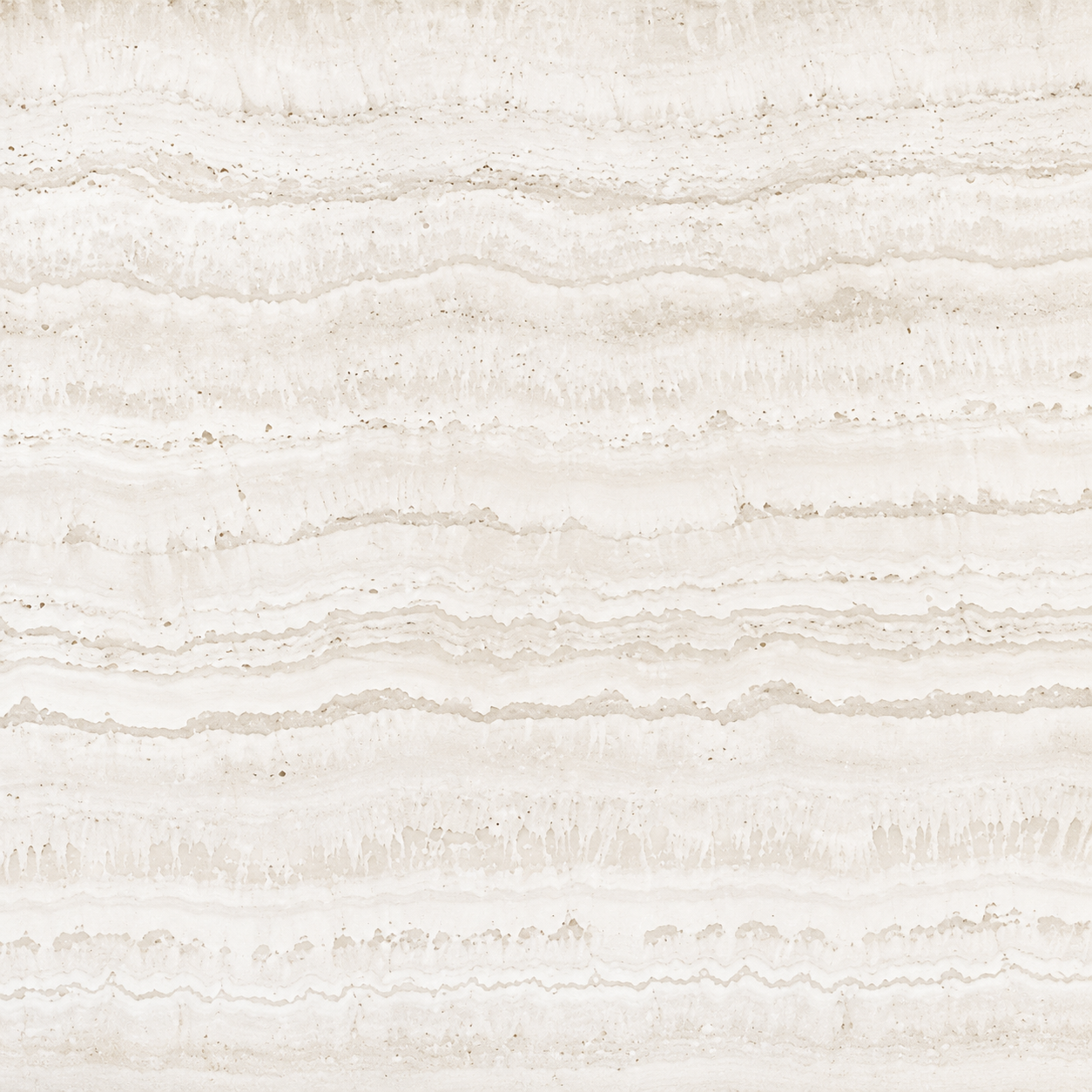
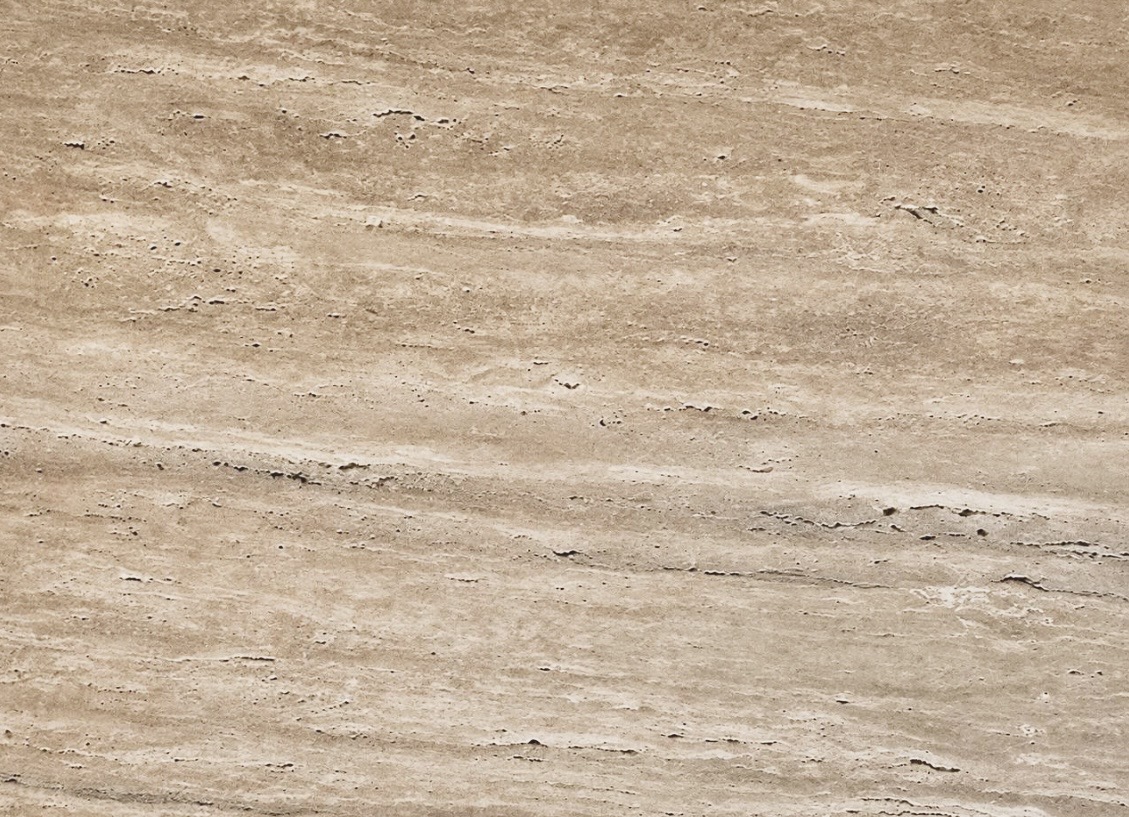
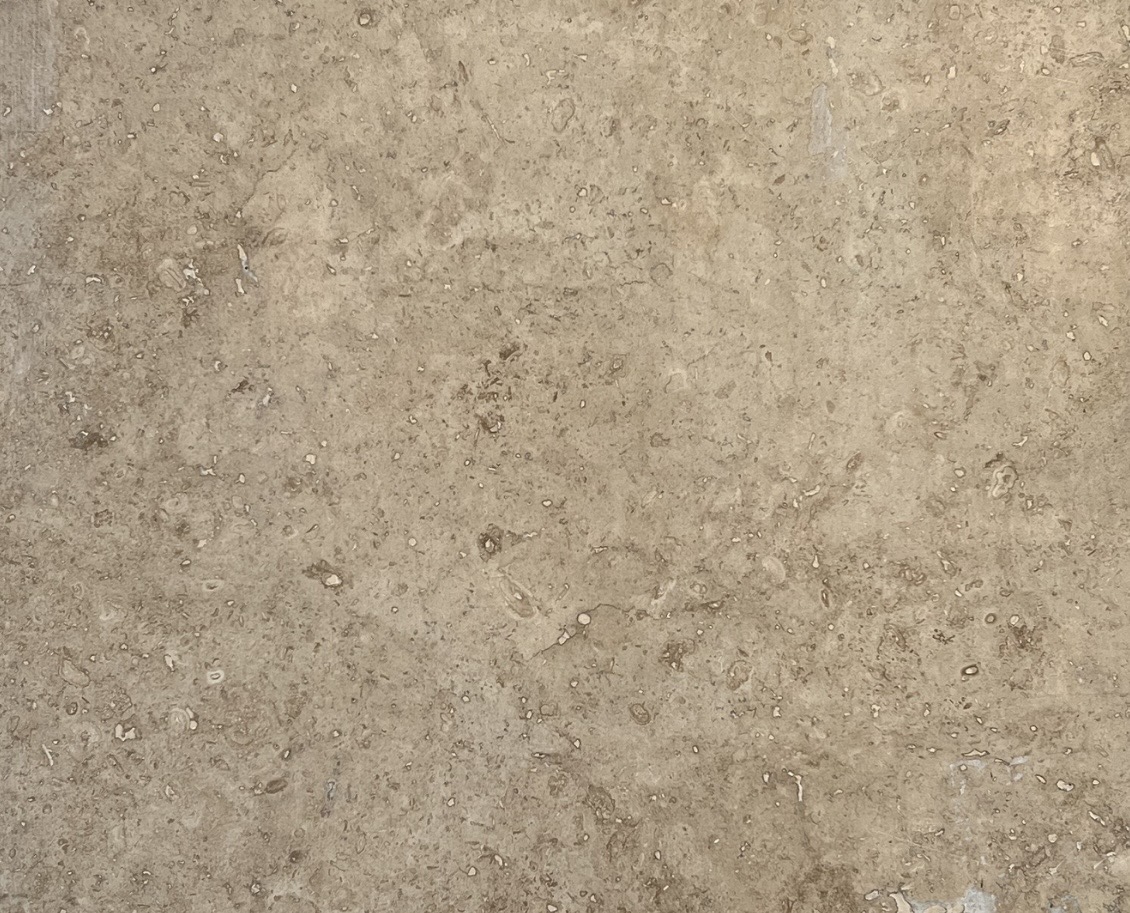
Darreh Bokhari Travertine is one of the well-known varieties of Iranian natural travertine, recognized for its light ivory, milk-white, bone and cream-colored background and its distinctive natural sedimentary structure. Its relatively refined appearance, versatile processing options, and broad range of applications have made it a popular choice for architectural projects in Iran and international natural stone markets.
Darreh Bokhari Travertine is generally characterized by relatively limited visible porosity compared with some highly porous travertines, while certain selections can have high water absorption. For this reason, professional block selection and technical evaluation are particularly important when the stone is intended for exterior applications or demanding climates.
From a technical perspective, water absorption, porosity, bulk density, flexural strength, compressive strength, and freeze-thaw performance are important parameters when selecting natural stone for a specific application. The appropriate evaluation should therefore be based on the actual selection and quarry block rather than color and appearance alone.
Darreh Bokhari Travertine Color and Appearance
The most recognizable characteristic of Darreh Bokhari Travertine is its light and warm color palette, which may include:
- Light Cream
- Ivory
- Milk White
- Bone
- Warm Cream
This neutral color range makes the stone particularly suitable for architectural projects seeking a bright, elegant and timeless natural stone appearance.
Its light background also combines well with:
- Dark natural stones
- Chocolate and brown travertines
- Natural wood
- Thermowood
- Glass
- Steel
- Exposed concrete
- Contemporary architectural materials
This versatility allows Darreh Bokhari Travertine to work equally well in classical, contemporary and transitional architecture.
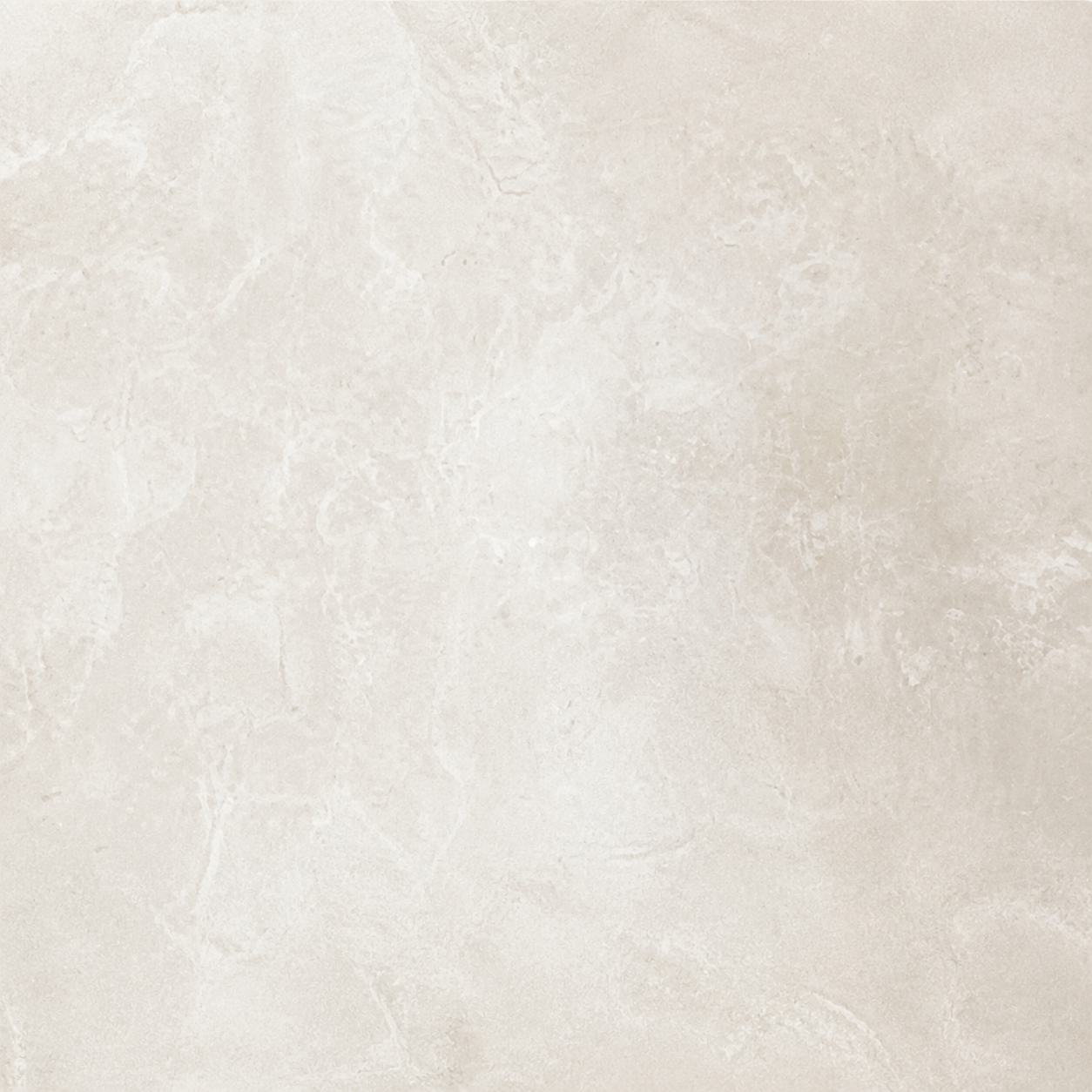
Cross Cut Darreh Bokhari Travertine | Non-Veined
Cross Cut Darreh Bokhari Travertine is one of the most popular forms of this stone in the Iranian domestic market.
Cross cutting reveals the natural sedimentary structure differently from Vein Cut, generally creating a softer and more cloud-like visual pattern rather than long continuous linear veins.
For this reason, Cross Cut Darreh Bokhari Travertine is widely used in Iran for:
- Building facades
- Villa facades
- Interior walls
- Flooring
- Decorative walls
- Commercial buildings
- Residential projects
Its relatively calm visual character makes it suitable for large surfaces where a consistent and elegant appearance is preferred.
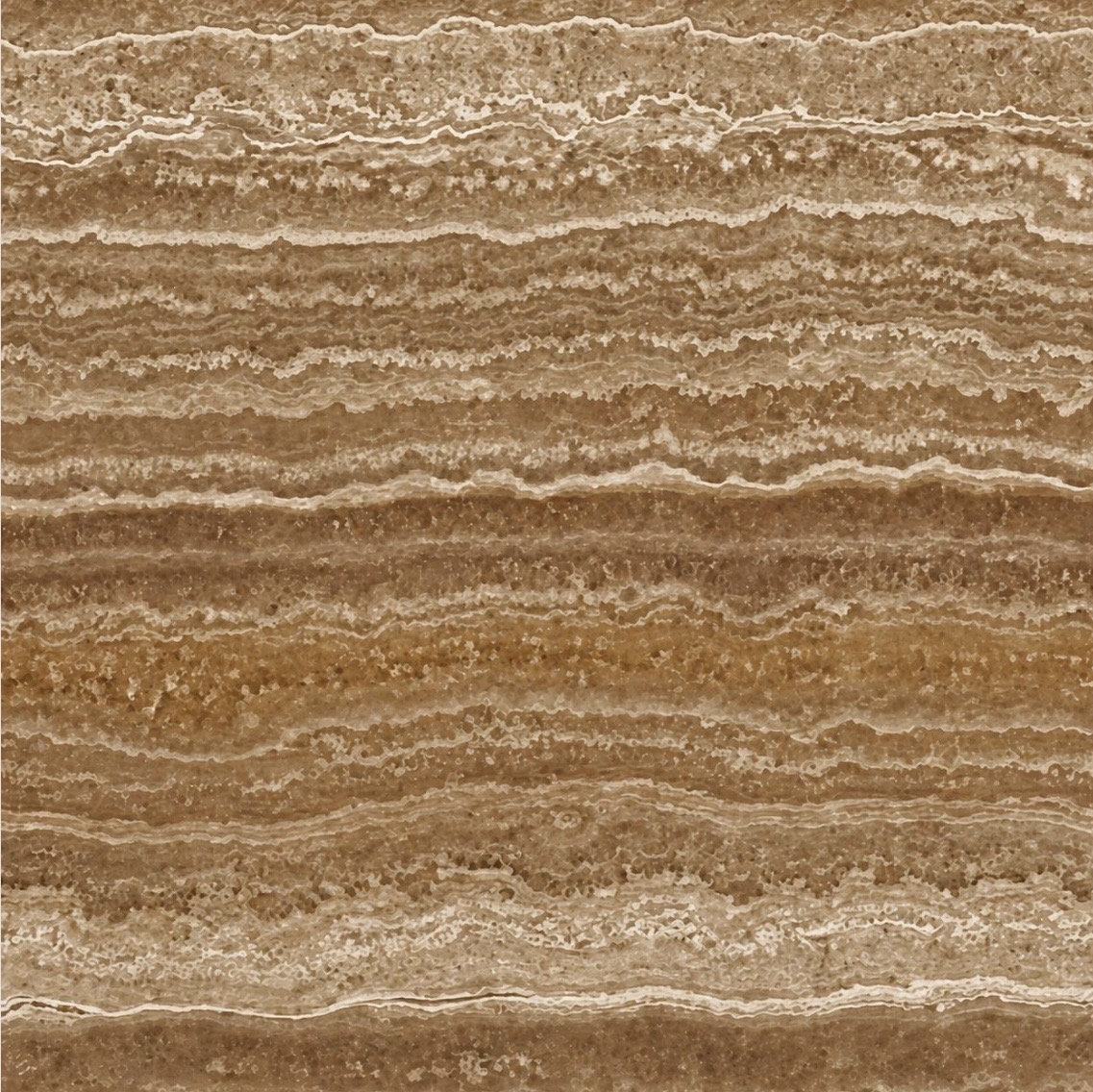
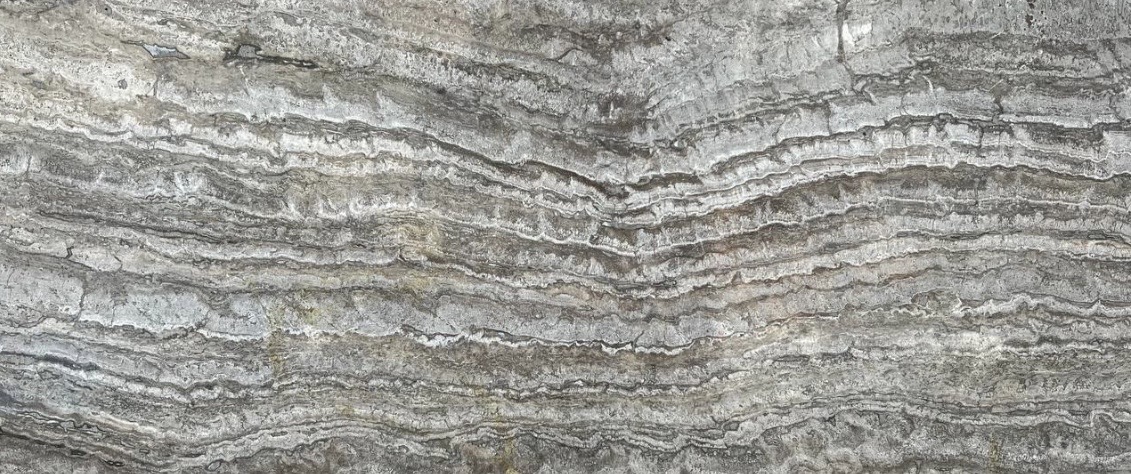
Vein Cut Darreh Bokhari Travertine | Wavy / Linear Pattern
Vein Cut Darreh Bokhari Travertine is produced in a direction that reveals the natural sedimentary layers and linear movement of the stone.
The result is a more pronounced architectural pattern with visible natural lines and movement.
Although Cross Cut Darreh Bokhari Travertine generally has stronger demand in the Iranian market, Vein Cut can create a distinctive appearance for:
- Feature walls
- Decorative walls
- Large-format slabs
- Luxury interiors
- Contemporary facades
- Hotel and commercial projects
The choice between Vein Cut and Cross Cut should ultimately depend on the desired architectural effect, block structure and selected grade.
Darreh Bokhari Travertine Slab
Darreh Bokhari Travertine Slabs are an important product for architectural and interior design applications.
Large-format slabs provide several advantages:
- Better visualization of the natural stone pattern
- Greater continuity of color
- Fewer joints
- A more seamless architectural appearance
- Greater design flexibility
Darreh Bokhari Travertine Slabs can be used for:
- Hotel lobbies
- Feature walls
- TV Walls
- Elevator surrounds
- Decorative walls
- Luxury interiors
- Selected flooring applications
The final appearance depends heavily on the quality of the block, cutting direction, grading and finishing process.
Water Absorption and Porosity of Darreh Bokhari Travertine
One of the most important technical considerations when selecting Darreh Bokhari Travertine is its water absorption and natural porous structure.
Travertine is a calcium-carbonate natural stone formed through mineral deposition, and its pore structure can vary considerably from one quarry and block to another. As a result, water absorption should not be assumed to be identical across every Darreh Bokhari selection.
For professional projects, especially exterior applications, it is important to evaluate the actual stone through relevant technical testing rather than relying solely on visual appearance.
Important parameters may include Water Absorption, Bulk Density, Compressive Strength, Flexural Strength and Freeze-Thaw Resistance.
These properties can influence the suitability of a particular selection for facades, flooring and exterior environments.
Industrial Kiln Drying and Darreh Bokhari Travertine
Because some Darreh Bokhari selections can have relatively high water absorption, moisture retained within the stone after processing can temporarily affect its appearance.
After cutting and wet processing, some manufacturers may use industrial drying kilns or heating systems to accelerate moisture removal and make light-colored travertine appear brighter and more uniform.
However, rapid whitening should not automatically be considered an improvement in the physical quality of the stone.
Travertine is a porous carbonate stone, and inappropriate thermal treatment can potentially create thermal stresses or microstructural damage, particularly when temperature, exposure time and moisture conditions are not properly controlled.
For this reason, professional stone processing should focus not only on achieving a brighter appearance, but also on maintaining the structural integrity and long-term performance of the stone.
This distinction is particularly important for light-colored travertines such as Darreh Bokhari and other high-absorption selections.
Quality Control of Darreh Bokhari Travertine at Sange Hassan
At Sange Hassan, Darreh Bokhari Travertine is not selected solely according to its visual whiteness or cream color.
The sourcing and quality-control process considers factors such as block quality, color consistency, porosity, water absorption, structural integrity, grading, cutting direction, processing quality and the final application of the project.
This approach is particularly important for light-colored travertines because two blocks may look similar after processing while having significantly different physical characteristics.
For demanding projects, technical parameters such as Water Absorption, Bulk Density, Compressive Strength, Flexural Strength and, where required, Freeze-Thaw Resistance should be considered when evaluating the suitability of the stone.
Darreh Bokhari Travertine Finishes
Darreh Bokhari Travertine can be manufactured with a wide range of architectural surface finishes, including:
- Polished Finish
- Honed Finish
- Leather Finish
- Unfilled Finish
- Filled Finish with Resin & Mastic
- Pre-Cut
- Rock Face Finish
- Guillotine Finish
- Scratch Finish
- Hammered Finish – Manual or Machine
Each finish changes the visual character and surface texture of the stone.
Polished and filled surfaces generally provide a more refined and formal appearance, while Honed, Leather and Unfilled finishes preserve more of the natural character of the stone.
Rock Face, Guillotine, Scratch and Hammered finishes can provide a more textured and architectural appearance for decorative and exterior applications.
Applications of Darreh Bokhari Travertine
Thanks to its light color, architectural versatility and range of available finishes, Darreh Bokhari Travertine can be used in numerous applications, including:
- Building Facades
- Classical Facades
- Modern Facades
- Villa Exteriors
- Interior Walls
- Exterior Walls
- Hotel Lobbies
- TV Walls
- Elevator Surrounds
- Interior Flooring
- Semi-Outdoor Flooring
- Staircases
- Decorative Walls
- Residential Projects
- Commercial Projects
- Luxury Architectural Projects
For exterior applications, particularly in regions exposed to freezing and thawing cycles, selecting the appropriate grade and evaluating its technical properties becomes especially important.
Darreh Bokhari Travertine Block | Raw Quarry Block
Darreh Bokhari Travertine Blocks are available for buyers who prefer to perform cutting and finishing according to their own production technology and market requirements.
For block buyers, factors such as block integrity, color, porosity, water absorption, natural cavities, quarry face, cutting direction and expected finished yield should be evaluated before purchase.
This is particularly important when the stone is intended for export or large-scale architectural projects.
Buying and Supplying Darreh Bokhari Travertine from Sange Hassan
Sange Hassan supplies Darreh Bokhari Travertine as raw quarry blocks, slabs and processed stone products for domestic and international projects.
The objective is not simply to supply a visually bright cream-colored stone. Instead, the selection process considers the actual quality of the block, structural condition, porosity, water absorption, grading, cutting direction, finishing requirements and final project application.
This approach is particularly valuable when sourcing light-colored travertine, where differences between blocks may not always be immediately visible after processing.
For professional projects, the appropriate selection can be supported by technical evaluation of relevant physical and mechanical properties, helping buyers choose Darreh Bokhari Travertine according to the actual requirements of the project rather than appearance alone.
Related products
Other stones from the same category.