More information
Finishes
Forms
Applications
Description
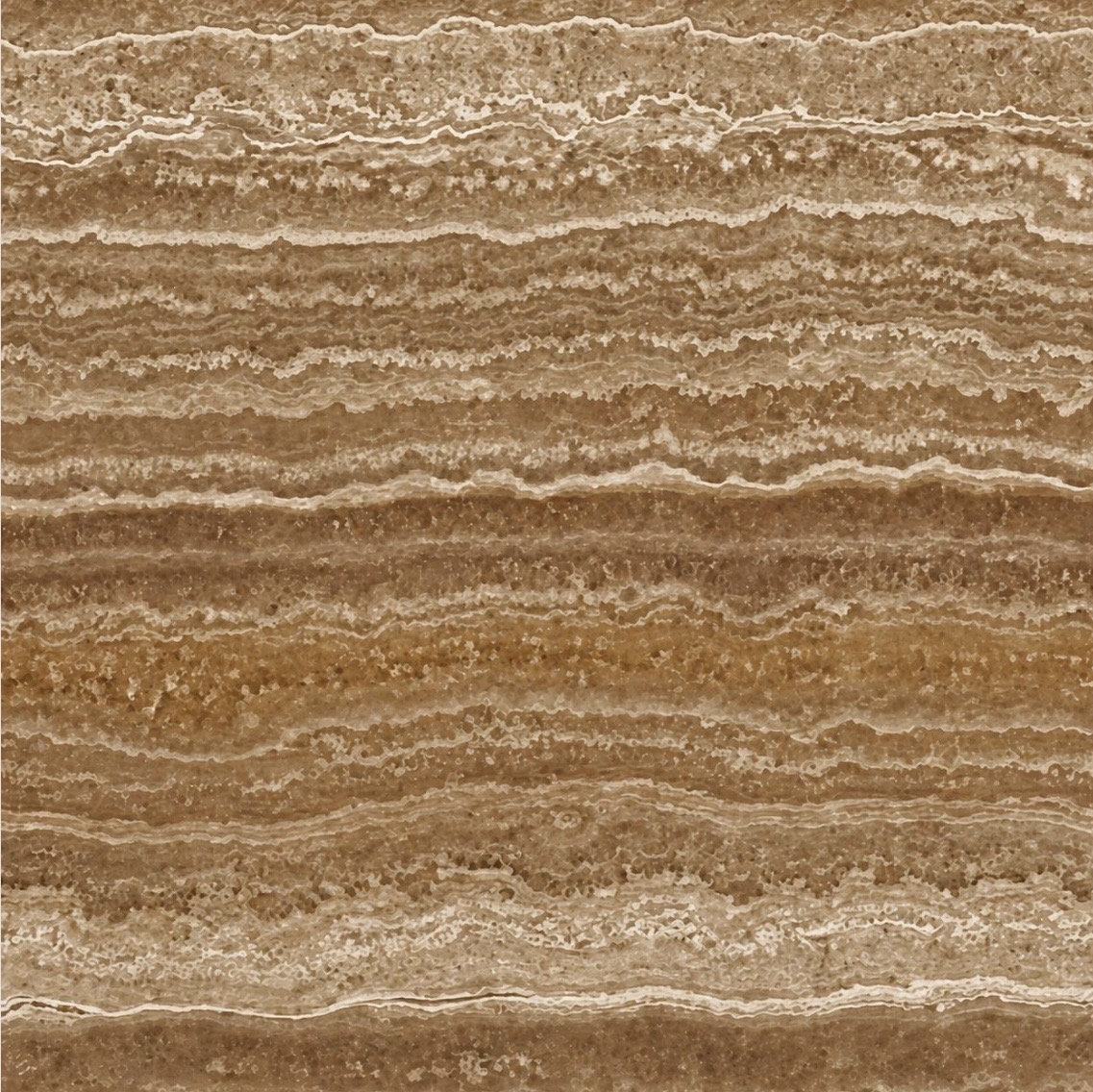
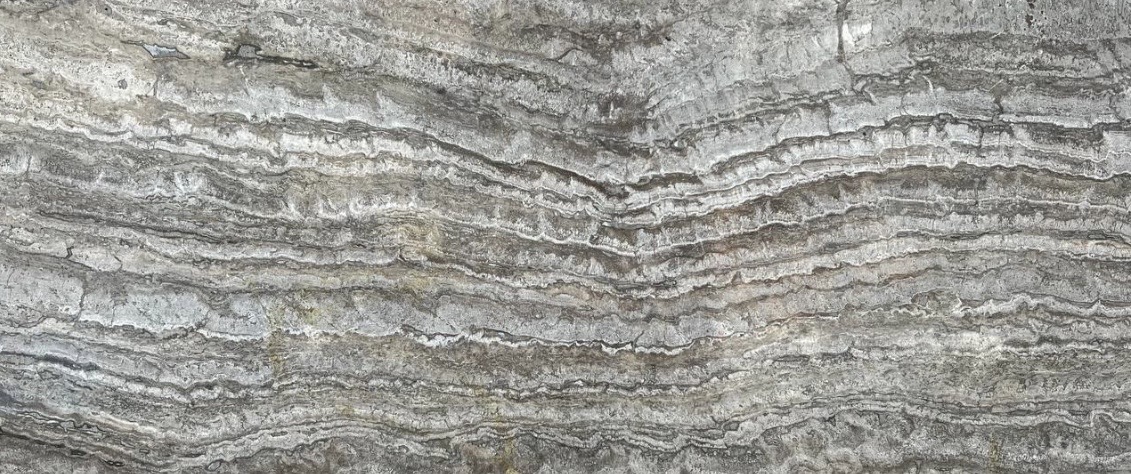
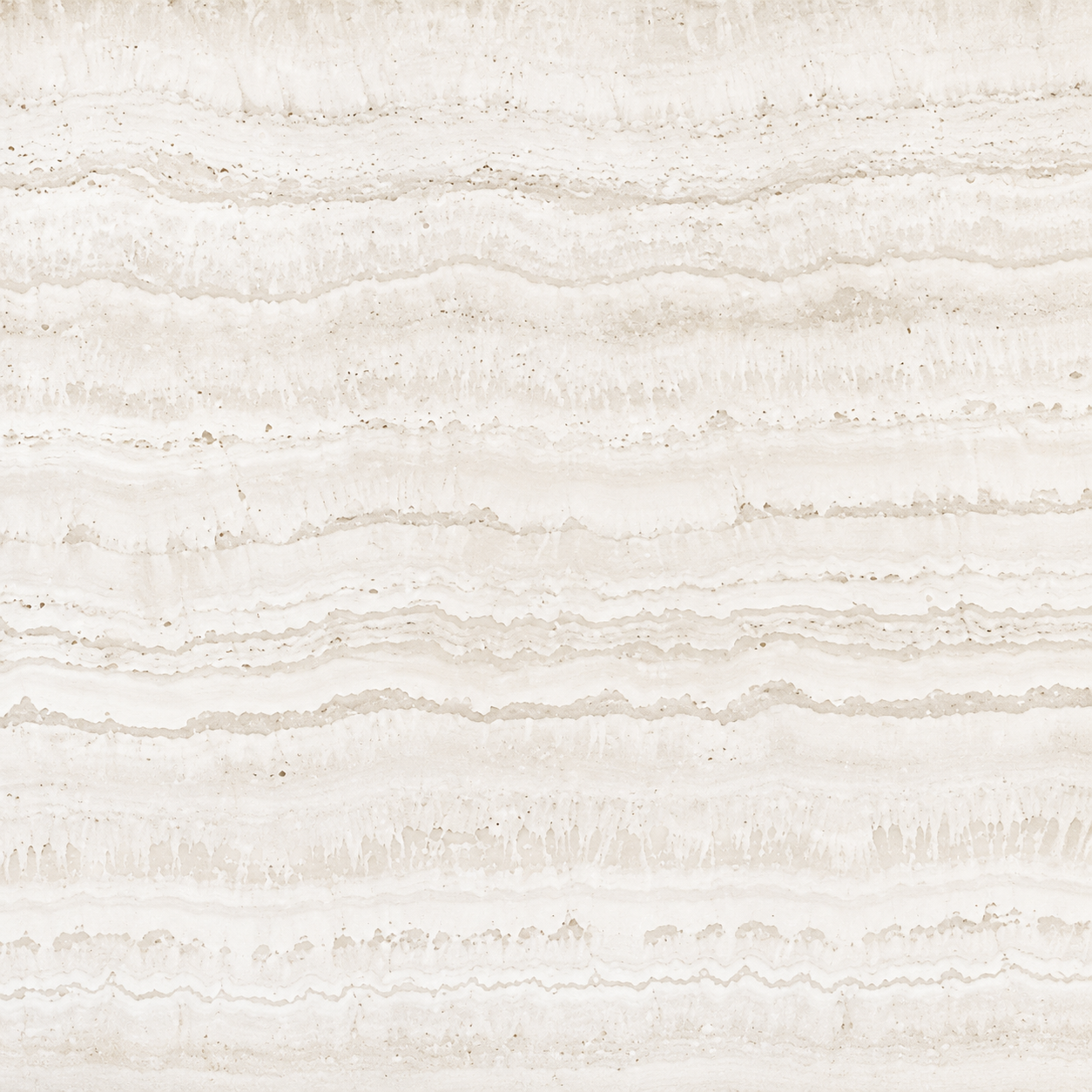
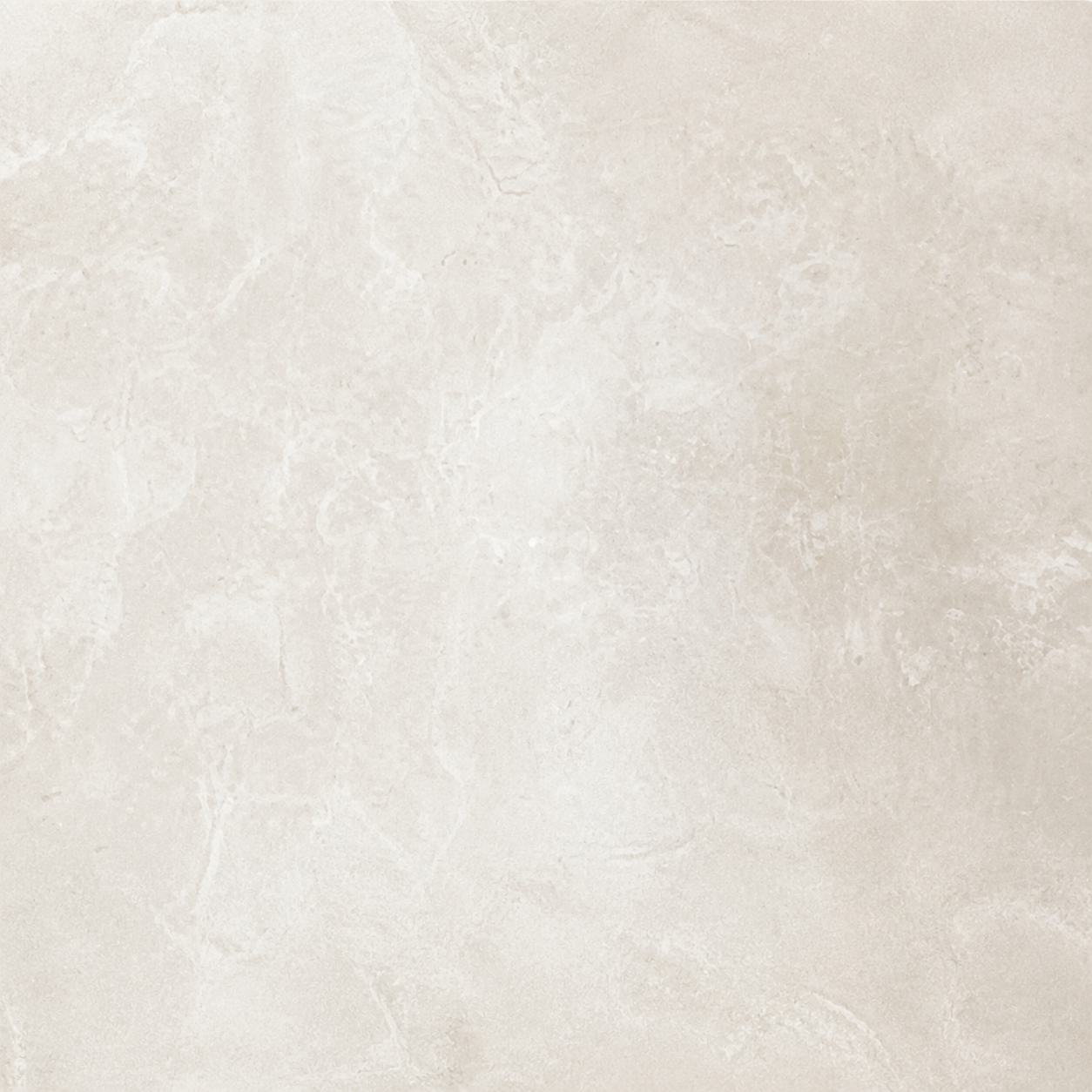
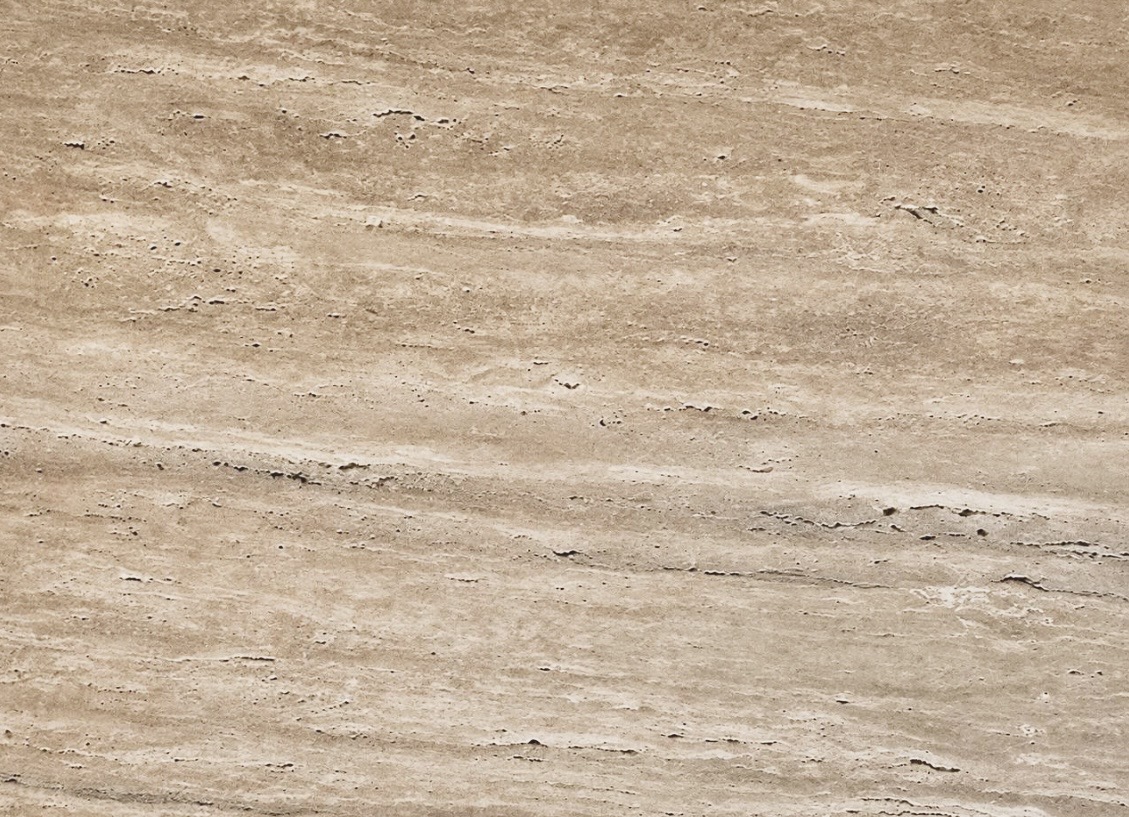
Copioul Travertine, also known in parts of the Iranian stone market as Greek Travertine, is one of Iran’s most distinctive and visually expressive travertines. Its characteristic combination of a light cream to white background with cloud-like brown and chocolate-toned formations, together with its naturally interwoven, twisted and irregular vein movement, gives this stone a highly recognisable architectural identity.
The term Copioul / Kapiol / Greek is used in the Iranian stone market to describe certain travertines characterised by naturally complex, intertwined and non-linear wave patterns. It should therefore not automatically be interpreted as referring to one single quarry or one fixed geological variety.
Important sources for this group of travertines include Nimvar in Mahallat, Markazi Province, and areas of northwestern Iran, particularly West Azerbaijan Province. For professional procurement, the actual quarry origin, block, grade, colour consistency and geological characteristics should therefore be verified rather than relying on the commercial name alone.
Appearance & Natural Character
The defining characteristic of Copioul Travertine is its highly expressive natural pattern.
Its background generally ranges from:
White → Warm White → Light Cream → Ivory
while the natural formations may include:
Brown → Chocolate → Beige → Dark Cream
Unlike travertines with simple, parallel veining, Copioul is recognised for its interwoven, twisting and cloud-like movement.
The patterns can appear as:
Interwoven Veins + Organic Waves + Cloud-like Formations + Irregular Natural Movement
This gives each block and slab its own visual character and makes Copioul particularly interesting for architects looking for a natural stone with strong visual identity rather than a uniform architectural surface.
Copioul Vein Cut Travertine
Vein Cut can emphasise the natural bedding and directional movement of Copioul Travertine.
However, unlike travertines where the veins remain perfectly parallel, Copioul may display a much more complex pattern, with lines and formations that intersect, twist, merge and change direction.
This makes it particularly suitable for:
- Large-format slabs
- Feature Walls
- Hotel Lobbies
- Modern Facades
- Luxury Interiors
- Decorative Wall Cladding
- Contemporary Architecture
- Large Architectural Panels
Because the pattern can vary considerably from block to block, block selection is particularly important for large-scale projects.
Greek Travertine | Market Terminology
In the Iranian market, Greek Travertine or Greek may sometimes be used as a commercial designation for Copioul-type travertines or other travertines exhibiting similarly complex and intertwined wave patterns.
For international sourcing, it is therefore better not to rely on the commercial name alone.
Search terms such as:
Copioul Travertine
Kapiol Travertine
Greek Travertine
Interwoven Travertine
Cloudy Travertine
may appear in connection with visually similar materials.
For professional B2B procurement, the actual stone sample, slab photographs, block information, quarry origin and technical specifications provide a more reliable basis for identification than a commercial name alone.
Copioul Travertine Finishes
The choice of finish is particularly important because the wrong surface treatment can hide some of the natural character that makes Copioul distinctive.
Leather Finish
Leather finish is one of the particularly attractive treatments for Copioul Travertine.
Its subtle textured surface enhances the tactile quality of the stone while allowing the complex natural movement and colour variations to remain visible.
A combination such as:
Copioul + Leather + Unfilled
can create a highly natural and contemporary architectural appearance.
Unfilled Finish
Unfilled Travertine preserves the stone’s natural pores and openings, producing a more authentic and geological appearance.
Honed Finish
A smooth matte surface with limited reflection, suitable for contemporary and understated architectural concepts.
Polished Finish
A polished surface can be produced on suitable grades, although the actual suitability should be assessed according to the stone’s structure, porosity and processing characteristics.
Rock / Bush-Hammered Finish
A textured finish suitable for selected exterior, landscape and architectural applications where a more natural and rugged surface is required.
From Classical Roman Architecture to Contemporary Design
Copioul Travertine has a notable history of use in Iranian architecture, particularly during the period when Roman and Classical facades were highly popular.
Its light background and complex movement made it suitable for decorative classical compositions.
As architectural preferences shifted away from Roman-style facades towards modern and contemporary architecture, the role of Copioul Travertine evolved as well.
Today, its naturally irregular movement can be particularly effective in:
Modern + Contemporary + Minimal + Natural Architecture
Rather than being used merely as a traditional facade stone, Copioul can function as a visual architectural element.
Its complex natural pattern can create a focal point without requiring additional decorative elements.
Applications of Copioul Travertine
Copioul can be used across a broad range of indoor and outdoor applications.
Exterior Applications
- Modern Building Facades
- Villa Facades
- Architectural Wall Cladding
- Feature Facades
- Landscape Design
- Garden Walls
- Terraces
- Outdoor Architectural Elements
- Exterior Wall Panels
Interior Applications
- Hotel Lobbies
- Feature Walls
- TV Walls
- Decorative Walls
- Reception Areas
- Columns
- Interior Architectural Panels
- Luxury Residential Projects
- Commercial Interiors
- Hospitality Projects
Its natural cream, white, brown and chocolate palette also works well alongside:
White Travertine + Cream Travertine + Brown Stone + Wood + Thermowood + Brick + Concrete + Metal
allowing architects to create material combinations with a strong natural character.
Copioul Travertine Flooring & Outdoor Applications
Beyond wall applications, selected Copioul grades can also be used in flooring and outdoor architecture.
Potential applications include:
- Interior Flooring
- Courtyards
- Terraces
- Garden Areas
- Landscape Architecture
- Outdoor Floors
- Villa Outdoor Areas
- Architectural Walkways
The appropriate grade, thickness, finish and installation system should always be determined according to the specific project conditions.
30mm & 40mm Copioul Travertine
One of the commercially relevant characteristics of Copioul is its suitability for projects where higher stone thicknesses are required.
In particular:
30 mm
and
40 mm
thicknesses can be considered for selected applications, especially:
Outdoor Architecture + Landscape + Heavy-Duty Applications + Architectural Cladding
The appropriate thickness, however, should be determined based on the stone’s technical properties, panel dimensions, fixing method, structural requirements, wind loads and project specifications rather than thickness alone.
Copioul Travertine Slabs
Copioul Travertine Slabs are among the most visually impressive forms of this stone.
Large-format slabs provide a much larger canvas for the stone’s:
interwoven veins + cloud-like formations + cream background + brown and chocolate movement
to become visible.
This makes Copioul slabs particularly suitable for:
- Feature Walls
- Hotel Lobbies
- Luxury Interiors
- Reception Walls
- TV Walls
- Large Wall Panels
- Villa Interiors
- Contemporary Architecture
- Hospitality Projects
For large projects, arranging slabs through a layout or dry-lay process before installation can help architects control the visual sequence and relationship between individual slabs.
Selecting Copioul Travertine
Because the natural pattern of this stone is relatively complex, block selection is critical.
Professional buyers should evaluate:
- Background colour
- Brown and chocolate intensity
- Vein complexity
- Natural movement
- Pore distribution
- Structural integrity
- Block quality
- Cutting direction
- Processing capability
- Surface finish
- Required thickness
- Final application
For large projects, maintaining consistent grading and controlling colour variation between shipments are particularly important.
Copioul Travertine Supply by Sange Hassan
At Sange Hassan, Copioul Travertine is not sourced simply according to its commercial name.
The sourcing process can be based on:
Quarry Origin + Block Selection + Grade + Colour + Natural Movement + Structural Quality + Cutting Direction + Finish + Final Application
The material can be supplied through a flexible chain:
Raw Block → Slab → Cut-to-Size → Processed Stone
For professional and international buyers, specifications can be defined according to:
Colour + Grade + Cutting Direction + Finish + Thickness + Dimensions + Installation System
This approach allows Copioul Travertine to be positioned not merely as a decorative stone, but as a project-specific natural stone material.
Related products
Other stones from the same category.